Meg Heckman, How I Actually Made $861K in 30 Days (It’s Not What You Think)
Meg Heckman says a repetitive five-step loop of design testing, paid ads, and email campaigns generated $861,000 in 30 days across two print-on-demand brands. Her 15-16% margins don't specify if ad spend is included, and the capital needed to survive the unprofitable testing phase goes unstated.
Source: "How I Actually Made $861K in 30 Days (It's Not What You Think)" — Meg Heckman, published May 2026. Watch on YouTube →
THE OPPORTUNITY
Meg Heckman runs two Shopify-based print-on-demand apparel brands. She says they generated $861,000 combined in the last 30 days, revenue, not profit. She describes a five-step routine that she claims anyone could execute if they could tolerate the repetition: generate designs, test them in paid ads, scale winners or cut losers, email the customer list, and repeat weekly without variation.
HOW IT'S EXECUTED
- Set up a Shopify store selling one print-on-demand product (she recommends starting with t-shirts only).
- Build a continuous pipeline of new designs. She adds designs every week and both brands now have over 600 designs each.
- Test new designs using paid Facebook and Instagram ads to get market feedback within 48 hours.
- Scale the ads on designs that perform and turn off the ones that don't based on metrics, not personal preference.
- Email your existing customer list two to three times per week with new designs or collections.
- Repeat this loop every week without changing the structure or chasing new trends.
WHAT'S CREDIBLE
The timeline adds up. She says the Zero to Seven Figure Store launched in July 2023 and has been running for nearly three years with consistent monthly sales progression. The Sloth Hiking Club site matches her description, it sells hiking t-shirts on Comfort Colors blanks in a niche she says everyone claims is saturated. Her acknowledgment that Sloth Hiking Club wasn't profitable for the first two months is the kind of candor that's usual in most money-making pitches. The core thesis - that consistent execution compounds over chasing trends - matches patterns of other direct-to-consumer businesses.
WHAT'S OMITTED OR OVERSTATED
She gives revenue for both brands but only rough profit margins. Sloth Hiking Club did $233,000 at 16 percent margin, which she says is $37,000 profit. The Zero to Seven Figure Store did $627,000 at 15 percent, which she says is $94,000 profit. She does not break out ad spend as a line item. Profit margin after ad spend is the number that matters. Without seeing that figure separately, there's no way to know if scaling more would remain profitable or if they're already near the ceiling.
She never states how much capital it took to reach these numbers. Testing designs in paid ads means spending money before revenue arrives. She doesn't say how much she spent during the two unprofitable months on Sloth Hiking Club or how much testing budget the Zero to Seven Figure Store required in its first six months.
She says the business is five steps but doesn't address who is executing them. She never says whether she has a team. If she's running two brands doing $861,000 a month herself, that's one thing. If she has a designer, a media buyer, and a customer service person, that changes the math.
She says the Zero to Seven Figure Store has over a thousand designs. She doesn't say how much it costs to produce that volume of designs or how many designs failed before finding the ones that scaled.
She frames this as accessible to anyone willing to stay consistent. But she's been running YouTube content for years and has an existing audience. She can drive organic traffic and build email lists faster than someone starting from zero with no platform.
She says paid ads test designs in 48 hours while organic search is slow. That's true but incomplete. Paid ads require upfront cash and media buying skill. She doesn't address the learning curve or failure rate for someone running their first Facebook campaign.
She mentions her YouTube channel compounded over time with videos that initially got 20 to 50 views. She doesn't say whether YouTube income subsidized the early months of either brand or whether she had other income covering expenses while these businesses were not yet profitable.
She talks about email lists compounding but never gives list size. A 10,000-person list and a 100,000-person list generate very different revenue from the same email frequency.
She says the market will tell you which designs work. She doesn't define what metrics she uses to make that call. Is it return on ad spend? Cost per acquisition? Click-through rate? Without those benchmarks, "the market says yes or no" is just vibes.
She promotes a free 12-hour YouTube course. The course is a lead magnet. She's not hiding that, but her incentive structure is to make this sound achievable so people watch the course and potentially buy whatever comes after it.
BOTTOM LINE
This is viable for someone who has enough capital to test designs in paid ads for months before profit arrives and enough skill or willingness to learn Facebook media buying. The revenue numbers are real enough to take seriously, but the profit margins she shares are thin. Hitting those numbers at scale requires either paying a team or working this as a full-time job yourself. The five-step loop is accurate as a description of what you'd do every week. The question is whether you can afford to do it long enough for the compounding to kick in. If you have $10,000 to $20,000 to burn on testing and six months of runway, this is worth exploring. If you're starting with $500 and hoping to be profitable in 30 days, you will not make it past the first two months she admits were unprofitable even for someone with her experience.
OPPORTUNITY DESK RATING
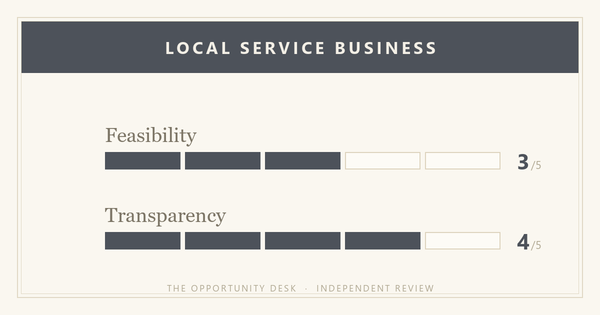
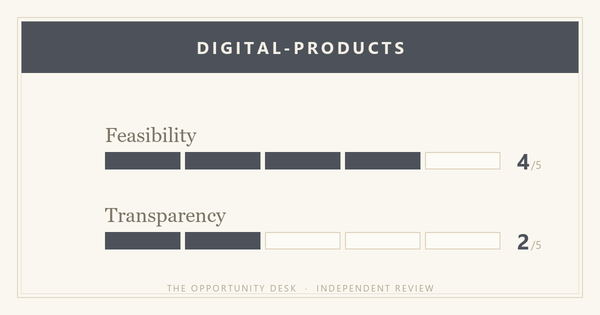
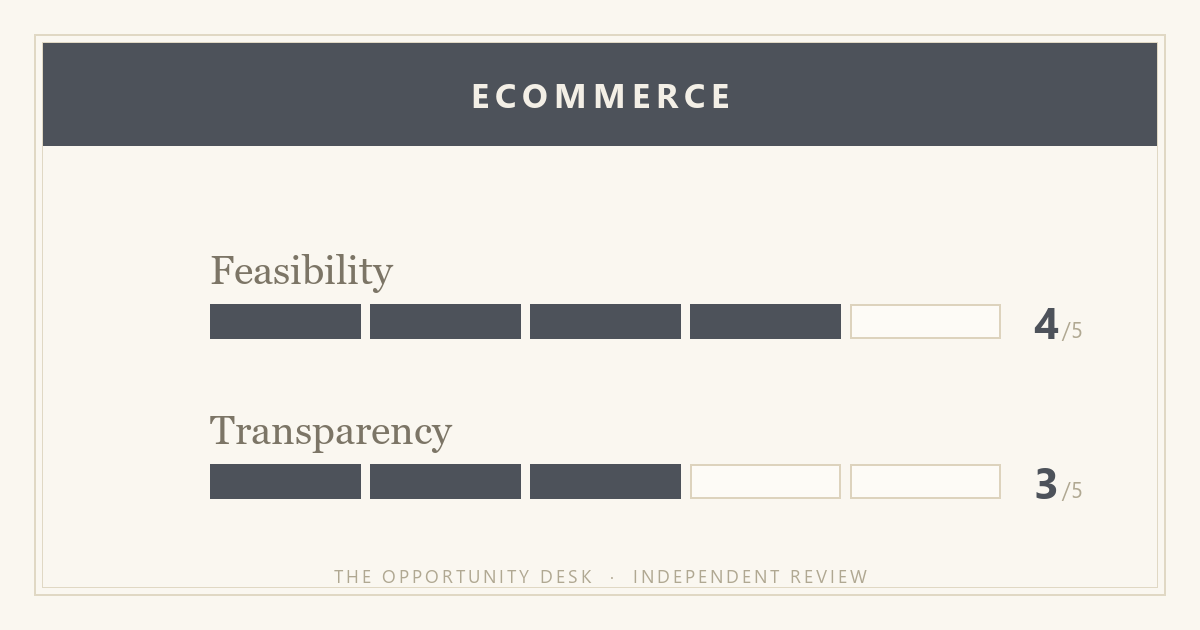
Feasibility: 4/5 — The underlying business model is sound. People buy niche apparel online, and the brands she describes exist and generate revenue at the scale she claims, but the capital requirement and ad spend learning curve are understated.
Transparency: 3/5 — She shares revenue and profit margins for both brands and admits the first two months were unprofitable, which is more candid than most YouTube pitches, but she omits ad spend breakdowns, team costs, starting capital, and her own advantages as an established content creator.