Sabrina Ramonov: How This Mom Makes $48K/Month With Claude
A self-described non-technical mom built six income streams worth $48,000/month in six months using AI tools. The "no technical background" framing hides a decade of sales experience and a half-million-follower audience most viewers don't have.
Source: "How This Mom Makes $48K/Month With Claude" Sabrina Ramonov, published June 2026. Watch on YouTube →
THE OPPORTUNITY
Sandy Lee says she makes $48,000 a month through a mix of AI consulting, YouTube sponsorships, a paid app, and a paid community - all while working a full-time job and raising three kids. She started her AI-focused YouTube channel six months ago with no technical background.
HOW IT'S EXECUTED
- Apply for AI-related jobs on Upwork even without expertise, using ChatGPT and Claude to learn on the job.
- Build a YouTube channel copying successful video formats from other creators in the AI space.
- Respond to inbound sponsorship offers once the channel reaches around 10,000 subscribers.
- Create and sell a web app built with Claude that helps other creators find high-performing video formats.
- Launch a paid community once audience interest exists, even before content is ready.
WHAT'S CREDIBLE
Sandy's breakdown of income sources is specific enough to track: $5,500 from a monthly retainer client, $10,000 from her full-time job, multiple sponsorships totaling $23,000, $2,000 from her app, $6,200 from her community, and $1,000 from YouTube AdSense. The trajectory from failed attempts at Amazon FBA and Etsy to finding traction with AI consulting and content matches a plausible pattern. AI is newer, less saturated, and easier to monetize quickly through service work. Her admission that she "faked it till she made it" on Upwork and launched her community before building any content inside it suggests she's not sanitizing her story to sound more impressive.
WHAT'S OMITTED OR OVERSTATED
She says she grew from 200 to 10,000 subscribers in "less than a month" but the channel analytics she shows on screen indicate that jump happened over roughly two months, not one. The $48,000 figure bundles her full-time salary with side income, which inflates the impression of what AI alone generated - remove the $10,000 paycheck and the AI-related revenue is $38,000, still substantial but a different framing. She mentions paying a business consultant $4,000 but never says what that advice covered or whether it directly contributed to her results.
The sponsorship deals she lists - $3,500, $3,500, $5,000, $550, and $6,000 - total $18,550, not $23,000, leaving roughly $4,500 unaccounted for unless other deals weren't named. She built her app using Claude but doesn't specify how much time that took, whether she had prior coding experience despite calling herself non-technical, or what ongoing maintenance it requires. The $2,000 in app revenue is a one-month snapshot with no indication of whether that's recurring or how many users paid.
Her paid community launched with no content and members complained it felt like a scam. She frames this as scrappy execution, but there's no follow-up on retention or refund requests. She mentions sleeping only three hours some nights but doesn't break down how many hours per week this actually requires long-term or whether that pace is sustainable for someone else.
Her prior YouTube channel reached 550,000 followers across three platforms teaching Spanish to Korean speakers, which means she had significant content creation experience and an existing playbook for building an audience - the "no background" framing downplays that advantage. She says 82 percent of people worldwide haven't used AI, but that statistic isn't sourced and the claim is so broad it's hard to verify or act on.
BOTTOM LINE
Sandy has real revenue across multiple streams, but the $48K headline includes her salary and reflects one exceptional month, not a proven recurring baseline. This works for someone willing to work client jobs they're unqualified for, learn publicly while copying formats, and launch products before they're finished. The path she describes requires existing content skills, extreme output during a narrow window, and enough financial cushion to survive the early chaos.
OPPORTUNITY DESK RATING
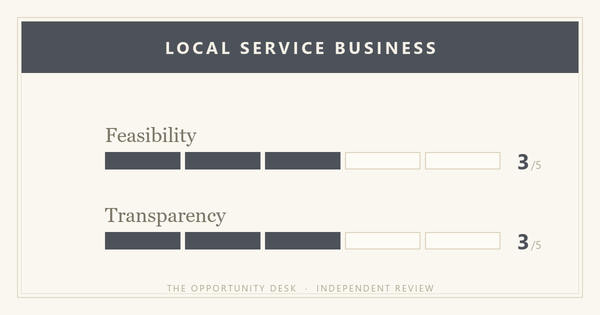
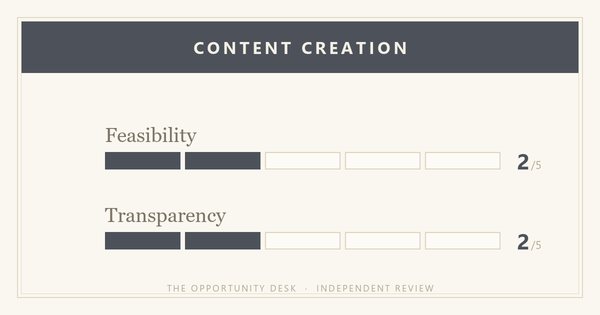
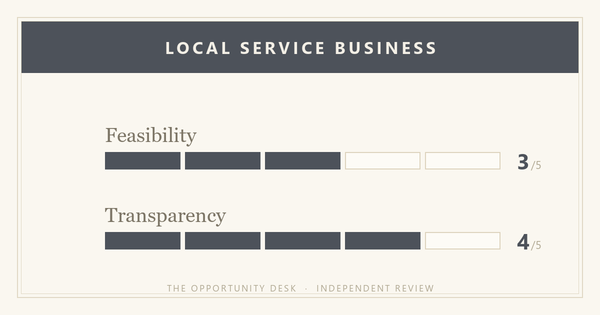
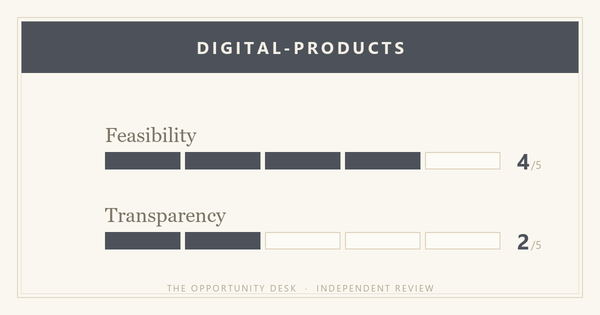
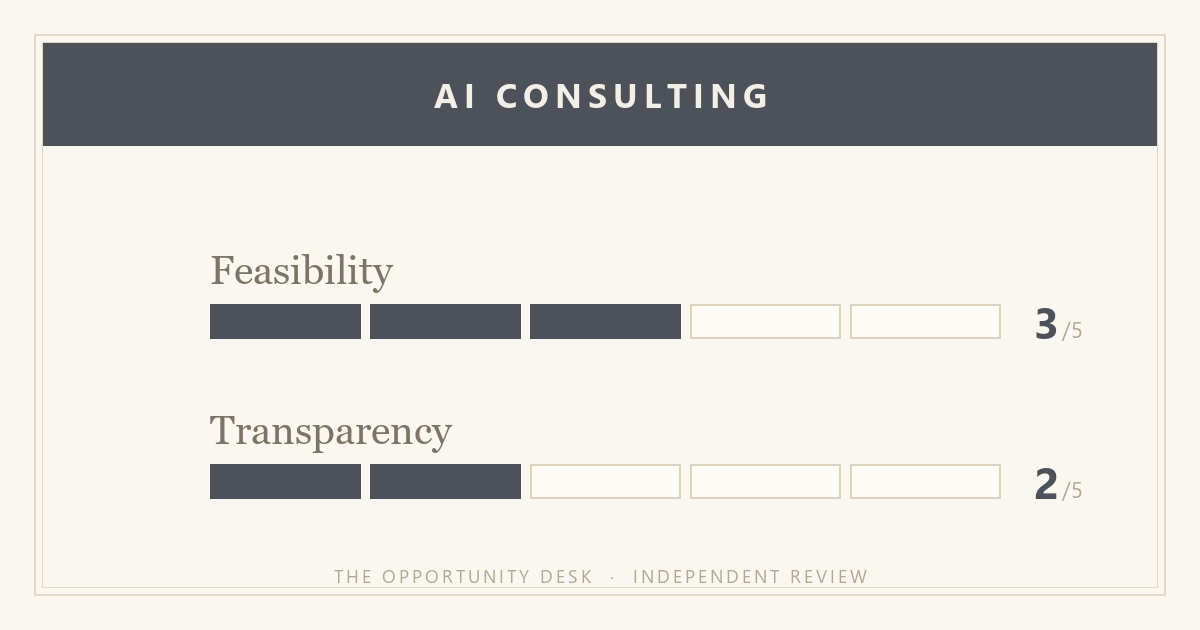
Feasibility: 3/5
The underlying businesses - AI consulting, YouTube sponsorships, and a paid app - are legitimate, but the execution relies on advantages Sandy underplays, such as prior audience-building experience, high tolerance for chaos, and the ability to sustain extreme hours while employed full-time.
Transparency: 2/5
She provides specific numbers but bundles salary with side income, inflates the subscriber growth timeline, doesn't reconcile the sponsorship math, and frames herself as a beginner when she had 550,000 followers on previous channels.