Chris Koerner, Everyone Overlooks This Simple Side Hustle
Don says his fresh-squeezed lemonade business hit $250,000 last year selling $7 cups at Dallas farmers markets, with 80% margins on the product. His own per-market sales figures don't really add up to that total, and labor, warehouse, and partnership costs stay unquantified.

Source: "Everyone Overlooks This Simple Side Hustle" — Chris Koerner on The Koerner Office Podcast, published June 2026. Watch on YouTube →
THE OPPORTUNITY
Don runs a fresh-squeezed lemonade business at Dallas-area farmers markets and says he brought in $250,000 last year selling $7 cups of lemonade. He also rents out a vintage cart and does private catering, claiming margins around 80% on the product itself.
HOW IT'S EXECUTED
- Start at a local farmers market with a booth, simple syrup (one-to-one sugar and water by volume), lemons from Restaurant Depot, and a hand smasher or wedger to juice one whole lemon per cup.
- Charge $7 per 32-ounce cup - one lemon, three ounces of simple syrup, a pound of ice, and about 15 ounces of filtered water.
- Scale to multiple markets by hiring staff (Don uses family and a couple who runs the Dallas booth for him on weekends).
- Add catering for corporate events, graduations, and weddings - pre-batch lemonade in the same cups, charge $5 per drink plus setup and service fees.
- Buy or build a vintage cart or trailer and rent it for $500 per day (plus optional add-on lemonade service).
- Push SEO, Facebook Marketplace listings, and word-of-mouth through existing market customers to book private events.
WHAT'S CREDIBLE
The underlying product is simple and the margins check out. A lemon costs 20 cents, ice about a dollar per pound, and sugar negligible when bought in 50-pound bags. Selling that for $7 leaves room even after booth fees and labor. Farmers markets in Dallas are high-traffic and the fresh-squeezed angle gives clear differentiation from powdered or pre-mixed competitors. Don ran a catering business before this, so he has prior experience in beverage service and event logistics. The eclipse popup story - $6,000 in three hours during a high-traffic public event - fits the pattern of location-dependent spikes that actually happen in food concessions.
WHAT'S OMITTED OR OVERSTATED
Don says he hit $250,000 last year but never specifies net profit after all costs. He mentions an 80% margin on the product itself but does not account for booth fees, warehouse rent, labor, fuel, or the couple he pays to staff the Dallas market.
The $250,000 figure came from eight months of operation because one market closes for two and weather shuts them down occasionally. That averages over $30,000 per month, which would require selling more than 4,000 cups a month at $7 each. He says Frisco does $1,200 to $1,500 per day and Dallas does $2,500, but those are weekend-only numbers - two days a week adds up to about $16,000 per month across both markets, well short of $30,000. The gap suggests either catering carries far more volume than he describes or the $250,000 claim includes gross revenue from rentals, bananas, and other add-ons that are not purely lemonade sales.
He landed a $19,000 frozen banana catering job and says $12,000 of that was profit. He had never served frozen bananas before that event. The client moved him to a dessert timeslot late in the evening after attendees had already eaten and left, yet he still walked away with five figures. That level of margin on a first-time product with no track record and a poorly timed service window is not explained.
Don never gives a total annual cost figure. He mentions warehouse rent but does not say what he pays. He buys emergency ice delivery at about a dollar per pound but does not break out how much ice costs him per month when selling thousands of cups. Labor is a recurring expense - he has two older daughters working markets, a couple staffing Dallas, and he personally handles restocking and all catering - but he never quantifies what he pays anyone or whether family labor is unpaid.
The pneumatic lemon smasher costs around $350 and the wedger another $350, but those are optional. He says you could start with a hand muddler, knife, and cutting board for far less. That lower-cost path is not fleshed out. How much slower is it, and does that limit your ability to serve volume during peak hours at a busy market?
Booth fees are low. $300 total per weekend in Dallas - but securing a spot is not guaranteed. Don does not explain the application process, how long the waitlist is, or whether new vendors can get weekend slots at high-traffic markets. He has no exclusivity protection from other lemonade vendors. He mentions an iced tea seller who also does lemonade but says theirs is not fresh-squeezed. That suggests the Dallas market allows direct product overlap and approval depends on perceived differentiation, not category.
SEO and Facebook Marketplace are his primary lead sources for catering and rentals, but he does not explain what his website ranks for, how much traffic it gets, or whether he pays for ads. He says Facebook Marketplace is great and he does not need to boost posts, but that claim is not quantified. How many inquiries per week, how many convert, and what percentage of his catering revenue actually comes from that channel?
The cart rental model charges $500 for a day with no labor required. Don drops it off and the client or their bartending company handles service. He does not say how often that happens, whether the cart sits idle between bookings, or what his annual rental revenue actually totals. He also does not explain insurance, liability, or permitting for renting equipment that will be used to serve food at private events.
Don says he is targeting half a million in revenue within a year or two. That would require doubling what he claims he did last year. He mentions partnerships with concession companies and convention centers but gives no specifics on contracts, revenue share, or timelines. He says the goal is a retail storefront by September but does not explain lease costs, buildout, or how a fixed location would work when his current model depends on being where the crowds already are.
The Texas lemonade law he references - allowing under-18 vendors to operate without health permits or HOA permission - is presented as a way to let his kids run stands in parks this summer. That law exists but applies to minors selling at residential properties or on public property where no permanent structure is involved. It does not exempt a business operating at scale with a warehouse, employees, and catering contracts from standard health and business licensing. His plan to test enforcement by having his kids "post up" in front of the house conflates a legal carveout for children's lemonade stands with the regulatory requirements that govern his actual business.
BOTTOM LINE
This works if you can secure consistent weekend booth space at high-traffic farmers markets and you are willing to work those markets yourself or pay someone reliable to staff them. The catering side requires hustle. Don is actively pitching graduations, corporate events, and HOA functions, and those bookings do not happen passively. The $250,000 revenue claim is plausible if catering and rentals contribute significantly, but the margin after all labor and overhead is unclear. If you do not already have a warehouse, a vehicle that can haul equipment, and the capital to float inventory and fees while you ramp, the startup cost will be higher than the $1,500 he suggests.
OPPORTUNITY DESK RATING
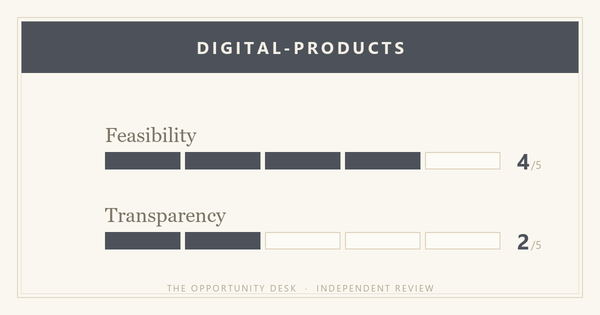
Feasibility: 4/5 — The underlying business works. Fresh lemonade sells at farmers markets, the margins on the product are strong, and Don has a documented track record including prior catering experience that supports his ability to execute on this model.
Transparency: 2/5 — He gives the $250,000 revenue figure but never reconciles it with the per-market sales numbers he provides, does not break out net profit after labor and overhead, and glosses over the application process for market access and the actual volume from catering and rentals. He's not being deceptive, there's just a lot we don't know.