Apprentice Diary: "How I built a $200,000 side hustle in 1 year while working full-time"
A first-year Amazon FBA seller reaches $200K in revenue while working full-time and caring for a newborn. The gross numbers are real. The net profit, the credit prerequisites, and the 3 AM work sessions deserve more attention than they get.
THE OPPORTUNITY
Build an Amazon FBA reselling business to $200,000 in annual revenue while working full time. Primarily by buying branded products from retail stores or online and reselling them on Amazon at market price. The presenter moved through three phases — retail arbitrage (physical store hunting), online arbitrage (buying discounted inventory online), and now transitioning to wholesale relationships with brands.
HOW IT'S EXECUTED
- Start by registering a business entity (DBA), obtaining an EIN, opening a business bank account, and securing business credit cards for working capital
- Use scanning apps like Seller AMP to identify profitable products in stores, or software like Keepa to find deals online
- Ship inventory to Amazon warehouses where they handle fulfillment
- As you scale, outsource prep work to third-party prep centers and hire virtual assistants (primarily Philippines-based) to handle sourcing and administrative tasks
The presenter funded inventory purchases almost entirely through business credit cards with 0% APR promotional periods, effectively creating interest-free working capital loans. The transition to wholesaling involves VAs contacting brands to establish authorized reseller accounts, then placing recurring purchase orders.
WHAT'S CREDIBLE
The revenue path is possible for someone willing to work extreme hours. Amazon FBA works, the marketplace has buyers, and arbitrage opportunities are genuine if temporary. The gross numbers ($203K revenue, ~$34K gross profit) are in line with typical arbitrage margins when you factor in Amazon fees, cost of goods, and operational expenses. The strategic evolution from retail to online to wholesale makes sense. Each phase reduces labor intensity while requiring more capital and different skill sets. The seasonal concentration around Q4 is accurate for e-commerce in general. Opening multiple business credit cards with promotional APR periods is a well known strategy, but it requires strong personal credit.
WHAT'S OMITTED OR OVERSTATED
The presenter buries several critical advantages that most viewers lack. She mentions buying "a very expensive" course for "a couple thousand dollars", using all her prior profits, but doesn't address how someone without that capital buffer would bridge that gap. The overnight setup ("all within like one week") glosses over the reality that business credit approvals depend heavily on personal credit history and income, which a full-time job provides. Amazon seller account approval isn't guaranteed and increasingly faces scrutiny for new sellers.
The profit math requires careful examination. She reports $34,000 in profit for year one, then immediately clarifies this wasn't net profit after conference travel, equipment, and other reinvestments. That $34K figure is gross profit before significant business expenses, meaning actual take-home was meaningfully lower, though she doesn't specify the final number. For someone working until 3 AM while caring for a newborn, that's a tough hourly rate on actual profit.
The transition to wholesale is presented as the scalability solution, but the bottleneck she identifies, "sourcing remains the number one bottleneck", doesn't disappear with wholesale. It shifts from finding deals to negotiating with brands, managing vendor relationships, and forecasting demand. She's had VAs contact "over a thousand brands" to open "20 to 30 accounts." That's a 2–3% conversion rate, and she still has to manually evaluate catalogs. The time savings may not materialize as projected.
Most significantly, Amazon's marketplace is increasingly competitive, with brand restrictions tightening and arbitrage opportunities narrowing as more sellers chase the same deals. She doesn't address account suspension risk, which is substantial for resellers who lack proper documentation or inadvertently violate Amazon's terms of service. One suspension can freeze your entire inventory and capital.
BOTTOM LINE
This is viable for someone with strong personal credit, disposable capital to absorb inventory risks, a tolerance for working 60–80 hour weeks during ramp-up, and comfort navigating Amazon's complex seller requirements. The model works but requires either significant time or significant capital, usually both during growth phases. The transition to wholesale may reduce hours but increases capital requirements and introduces new friction (vendor management, minimum order quantities, longer cash conversion cycles). Success here depends on execution intensity and access to credit that the video treats as universally available but isn't.
OPPORTUNITY DESK RATING
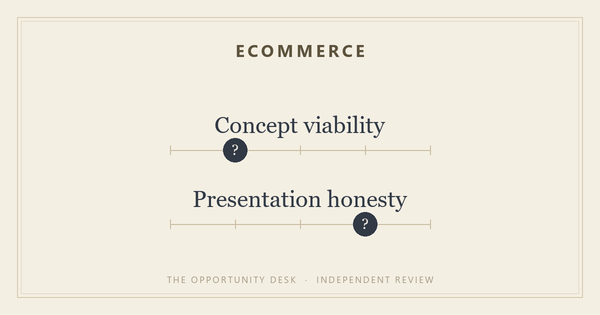
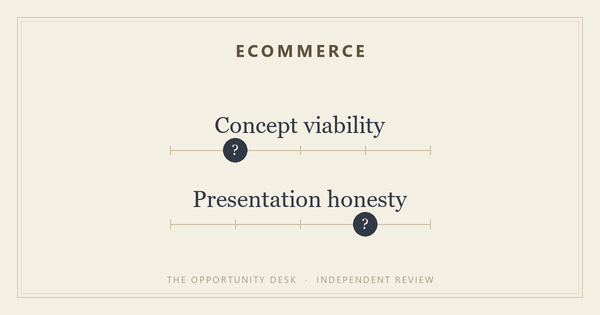
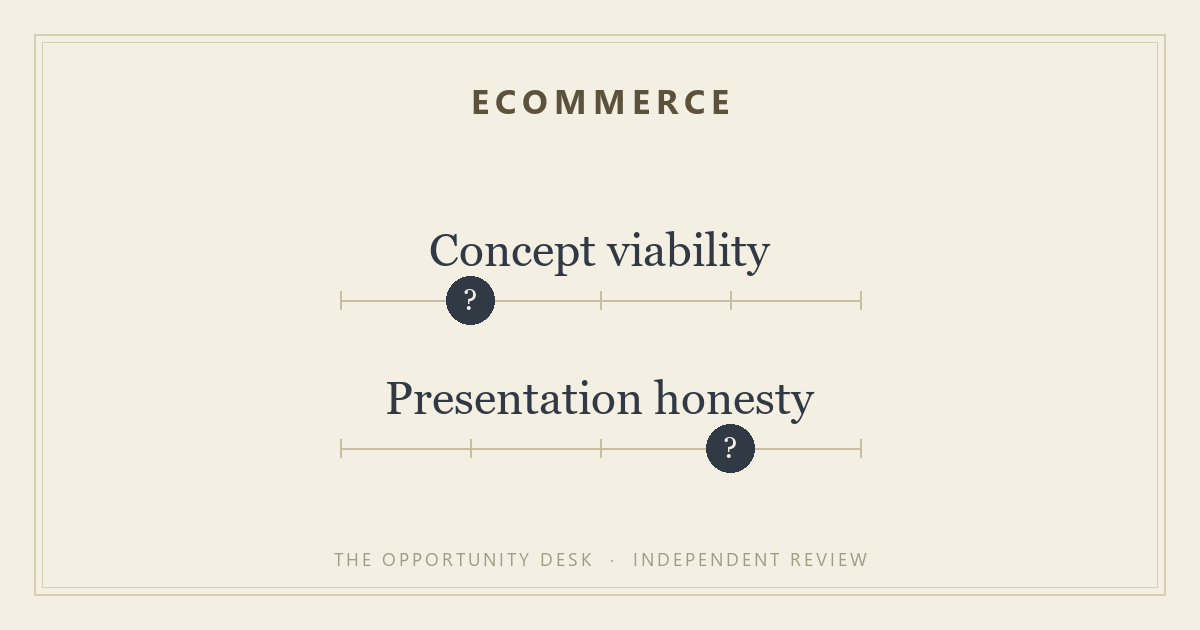
Concept Viability: 3/5
Amazon FBA arbitrage works but is increasingly difficult. Margins compress as competition grows, platform restrictions tighten, and the low-hanging fruit gets picked. Wholesale relationships offer more stability but require substantially more capital and sophistication.
Presentation Honesty: 2.5/5
She discloses actual numbers and acknowledges challenges, but systematically underplays the capital requirements, credit prerequisites, and actual net profit after all expenses. The "while working full-time" framing obscures the reality of working until 3 AM and sacrificing weekends for months. The course purchase and prep center fees are mentioned but not quantified, making cost modeling impossible for viewers.
Note: If you're interested in this post, you may want to check-out our post: 5 "Ignored" AI Side Hustles from Wholesale Ted: What's Good and What's Missing. Both posts feature appealing ecommerce strategies, but both also facing increasing competition with shrinking profit margins.