The Koerner Office: How a Regular Guy Started a 1-Person Business with AI
A recent retiree reports to have built a six-figure AI consulting business in under six months with no technical background. The path is more complicated than the story suggests.
Source: "How a Regular Guy Started a 1-Person Business with AI" Chris Koerner on The Koerner Office Podcast, published June 2026. Watch on YouTube →
THE OPPORTUNITY
Phil runs a solo AI consulting business he started in late 2024. He says he signed a $50,000 six-month retainer with an investment firm in March 2026 and now has a second client paying $1,500 monthly. He describes building custom AI tools - voice agents, content creation apps, grant-writing software - for clients using no-code platforms like GoHighLevel and Claude. The pitch: anyone can do this by identifying business owners' pain points and deploying AI solutions they've never built before.
HOW IT'S EXECUTED
- Contact friends, family, and warm network leads through your phone's contact list or past professional relationships.
- Record discovery meetings using a voice recorder or smartphone to capture pain points, then upload transcripts to Claude to generate solutions and pricing proposals.
- Build custom AI tools using no-code platforms like GoHighLevel for voice agents and CRM automation, or Claude for content creation and grant-writing apps.
- Price projects with a mix of upfront setup fees ($3,500) and monthly retainers ($1,500 to $8,333 per month depending on scope).
- Deliver the solution (Phil says 12 hours for one setup, 90 minutes monthly maintenance for another) and maintain client relationships to upsell additional services.
WHAT'S CREDIBLE
Phil names specific tools and platforms he actually used. He describes real client scenarios with enough detail that they sound lived-in rather than invented. His pricing structure - mixing setup fees, monthly retainers, and commission-based arrangements - matches how service businesses actually bill. The central claim that small business owners lack AI fluency and will pay to automate tasks is defensible. His admission that he hasn't settled on a niche and hasn't yet asked clients for referrals reads as honest rather than polished. The timeline he lays out - retiring in mid-2025, spending months building relationships, landing his first major contract roughly nine months later - is internally consistent with the video's publish date.
WHAT'S OMITTED OR OVERSTATED
The $50,000 retainer breaks down to $8,333 monthly for 20 to 25 hours of work per week. That's roughly $80 to $100 per hour. He frames this as a consulting retainer but never clarifies whether those 20 to 25 hours are actually tracked or if that was just an estimate to anchor the price. For a brand-new consultant with no prior AI or programming background, landing that rate from a friend who manages $1.4 billion suggests either extraordinary trust or an existing relationship that carried most of the weight. The average viewer has no equivalent access. As of the interview, only two of the six monthly payments have been confirmed received - roughly $16,666 of the full $50,000.
He says he built a grant-writing app for a nonprofit friend for free as proof of concept. He'll bill $1,500 per grant drafted and $2,000 monthly retainer, but only after a grant is awarded, capped at 8 percent of the grant total. He never states whether a single grant has been awarded yet. Without that, there's no revenue from this arrangement - just donated labor and a promise.
For the chiropractor client, he says setup took maybe 12 hours and now requires 90 minutes monthly. He charges $3,500 setup and $1,500 monthly, plus $75 per client beyond 10 sign-ups and $500 monthly ad spend the client covers. He never states how many clients have signed up. He never clarifies whether the ad spend is producing results or whether the chiropractor is breaking even on the service. Without usage data, the sustainability of this income is unknown.
He describes building a content creation tool for the investment firm using 22,000 chunks of data and 570 commercials from the client's radio show archive. That sounds substantial until you realize feeding existing content into Claude and prompting it to generate new posts isn't novel — it's standard use of any large language model with a RAG setup. He presents this as a differentiator but never explains why the client couldn't do this themselves with a ChatGPT subscription once shown how.
He admits he knows nothing about coding and is still learning Claude's features. That's fine for no-code tools, but it also means he has no technical foundation to troubleshoot when something breaks or to verify whether what he's building is secure or scalable. Clients are paying premium rates for someone learning on the job.
He never discloses total confirmed revenue to date. Between the investment firm's two confirmed payments (~$16,666), the chiropractor's setup fee and at least one monthly payment (~$5,000), and zero confirmed revenue from the nonprofit grant arrangement, his actual cash collected so far is meaningfully lower than the $50,000 headline figure implies — though the pipeline value, if all contracts run their course, is real.
The host repeatedly steers toward motivation and mindset rather than pressing on verification. When Phil says the investment firm contract is $50,000 for six months, there's no follow-up on whether the scope has changed since March. When he describes the chiropractor deal, there's no question about client acquisition cost for the laser service or whether 10 sign-ups is realistic.
He positions AI consulting as accessible to anyone but then describes 12-hour builds and managing CRM setups and automations he's never done before. That learning curve exists. He glosses over it by saying Claude guides him, but someone without his tolerance for trial and error would struggle. The ease he projects isn't universal.
He emphasizes relationships over cold outreach, which is honest, but also means his model depends entirely on warm leads. He admits he hasn't asked for referrals yet and hasn't settled on a repeatable niche. Without those, scaling past the friend-and-family circle will require skills he hasn't demonstrated — marketing, positioning, or sales to strangers.
BOTTOM LINE
This works for someone with an existing network of business owners who trust them, a high tolerance for learning through failure, and enough financial runway to work for months before seeing revenue. The $50,000 retainer is an outlier driven by personal relationship and the client's specific need, not evidence that this income level is typical, and only a third of it has actually been paid out so far. The real lesson here is that small business owners will pay to offload tasks they don't understand, and AI tools lower the barrier to delivering something that looks like a solution. But confirmed revenue is modest relative to the headline figure, and the model depends on access most people don't have.
OPPORTUNITY DESK RATING
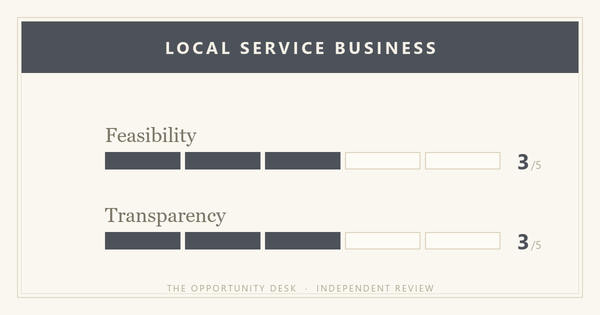
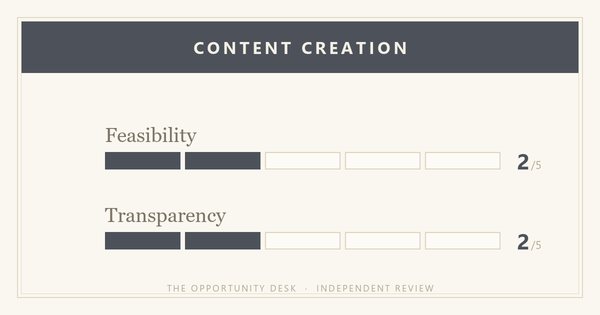
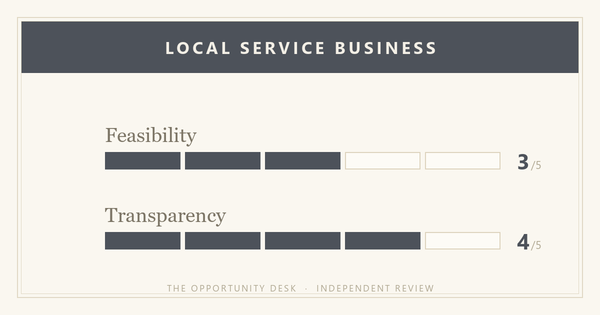
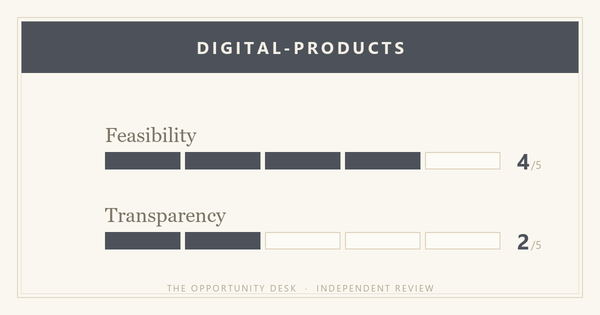
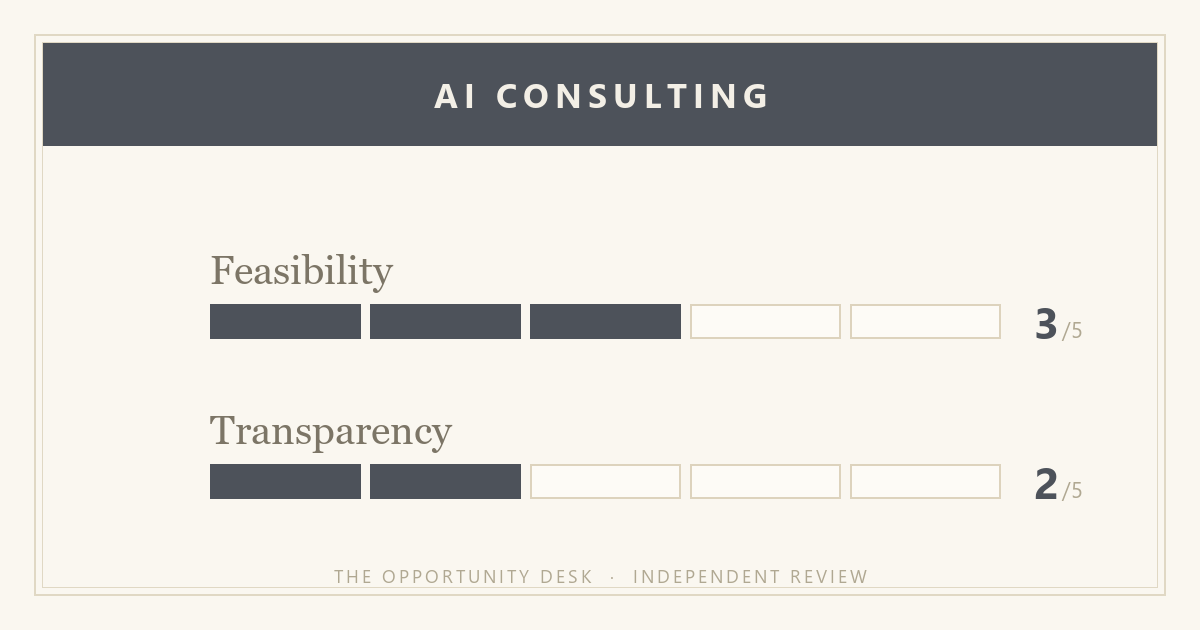
Feasibility: 3/5
The underlying business, consulting small businesses on AI automation, is real and viable, but Phil's success depends heavily on warm relationships and clients willing to pay premium rates to someone learning on the job, which isn't replicable at scale.
Transparency: 2/5
Revenue from two of three client relationships is unverified or zero, hours for the largest contract aren't confirmed as tracked, and key details about client results, ad performance, and contract renewal are missing entirely.